Hide and Seek: Power of Observation
When I was an elementary schooler, I would often play “hide and seek” with my dad. Let me tell you, that man never took it easy on me during games and certainly wouldn’t “hand me a win.” I always had to earn it… even as a seven-year-old. When we played hide and seek, I could never find him. For example, I would intently search for him for what felt like hours. Eventually, I would give up and call it quits. Come to find out, this guy had ninja style climbed up the wall to the ceiling and anchored his hands on one wall and his feet on the opposite wall (all within a small closet). He literally suspended himself in plank position approximately 5 feet above my head in a confined space to win this game.
Another time, we played hide and seek in the yard, and long story short, I couldn’t find him. I gave up the search, and he revealed where he was hiding. As one does, this guy had scaled up a massive magnolia tree and positioned himself out of my eyesight for the duration of the game. How was I supposed to compete against that as a seven-year-old? Haha.
Ultimately, I’m glad that my dad would go full out during games because this always made them more fun. However, I also learned a valuable lesson at a young age. The lesson in question: it’s important to slow down and observe a subject to fully understand it.
I eventually learned the hardcore ways of hide and seek, and I decided to apply the lessons that I observed from my dad towards a game with my like-minded seven-year-old peers. My friends and I played hide and seek after school on the playground, and there was basically nowhere to hide. So, I had to think outside the box… which is ironic because I ended up hiding inside a box. However, I didn’t just hide inside it. I decided to lay in the box, bury myself under playground equipment, and shut the lid. It was obnoxiously hot inside that box, but I really wanted to win; thus, I kept still for about 20 minutes. Occasionally, one of my friends would open the box and not see me because of the layers of equipment laying on top of me. Inevitably, my friends couldn’t find me and decided to conclude the game. I hid so well that I accidentally worried the teacher about my whereabouts, so she called my name and instructed me to come out. In the end, I did get a stern talking to about the dangers of hiding in an enclosed space. However, I won the game.
What’s my point?
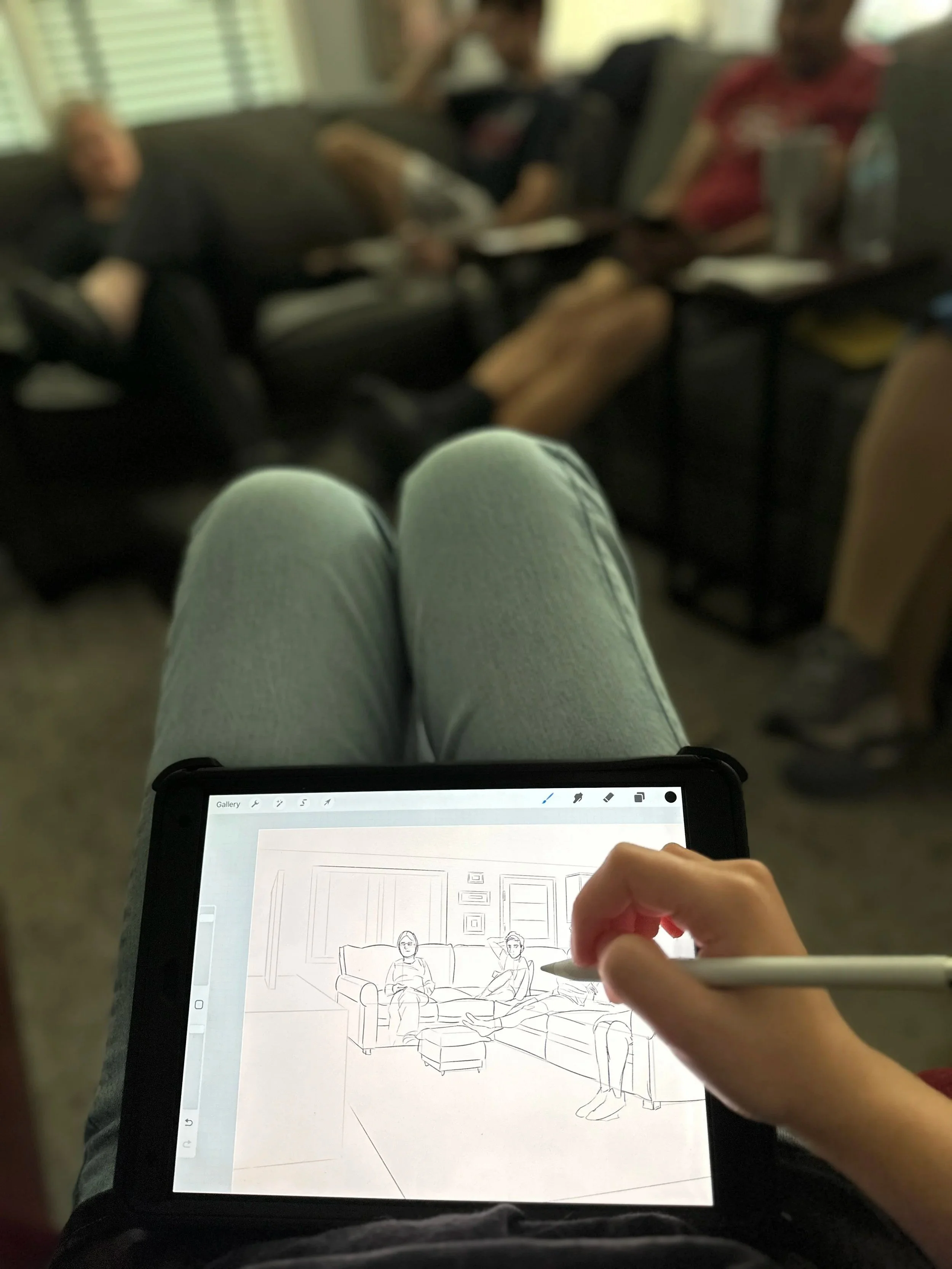
Like my younger-self observing and applying the elaborate techniques of “hide and seek” from my dad, it’s important for creatives to observe techniques from other professional artists so that they can further apply those methods to their work as well.
It’s important for artists to take life slow and observe qualities pertaining to their surroundings to fully understand what makes that setting unique. It can be easy to believe that “becoming a professional artist” just means that a person only needs to learn how to draw or paint.
However, I believe that’s only half the battle. The other half, in my opinion, is more important. Not only does the artist need to learn drawing fundamentals, but it’s also pertinent that they “learn how to look” for the display of these drawing principles in real life scenarios.
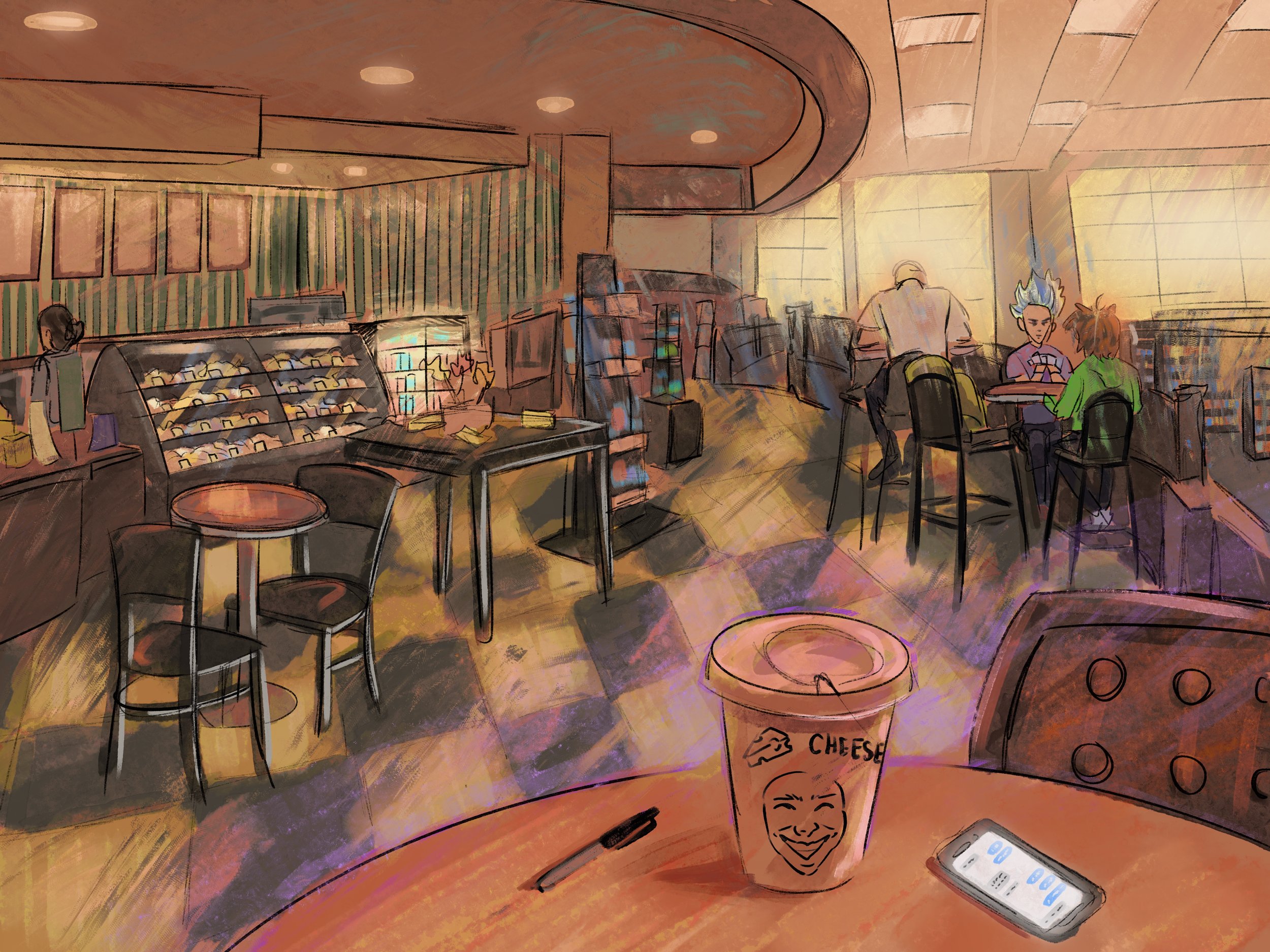
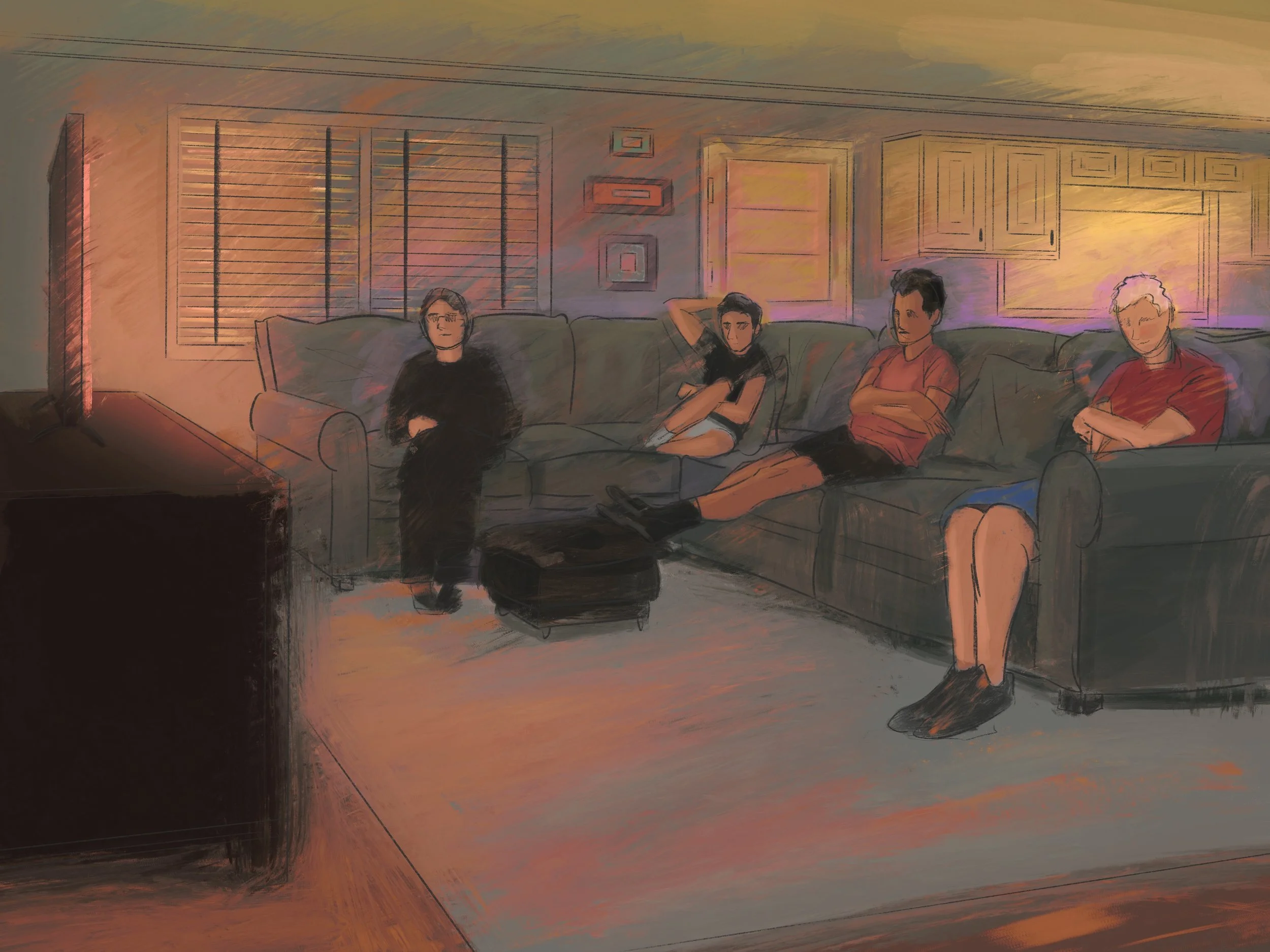
How does this apply to my on-site drawings this week?
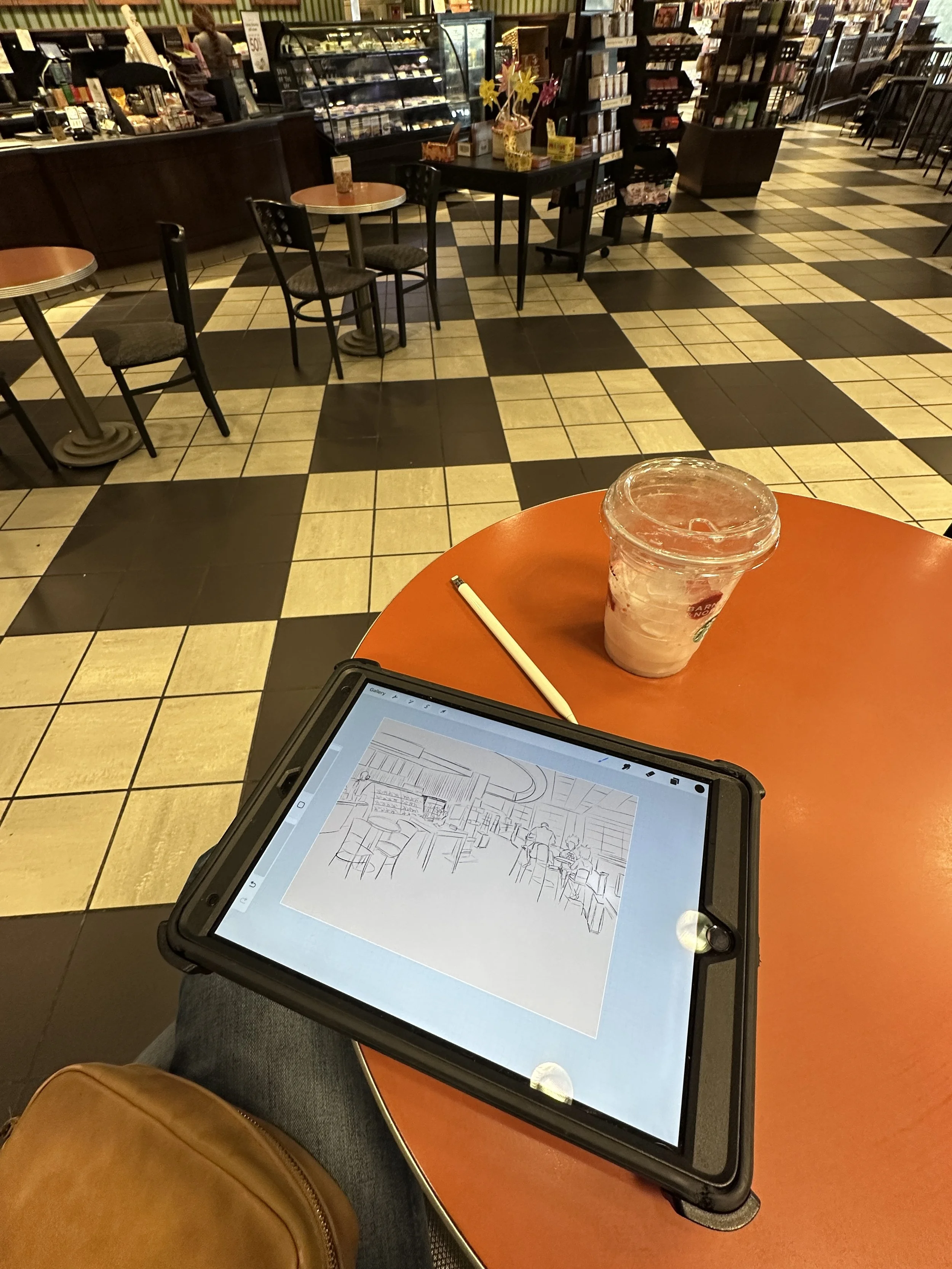
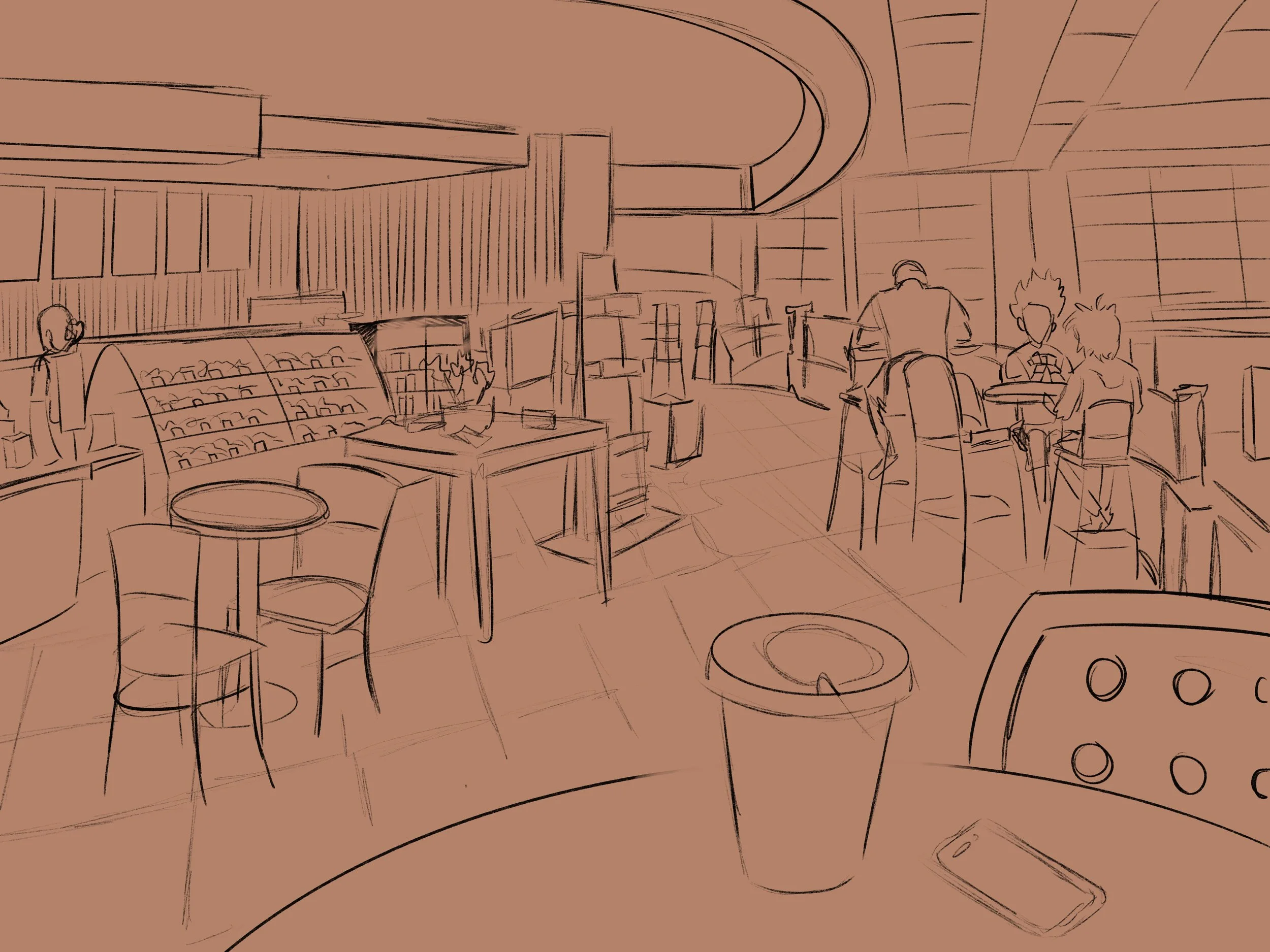
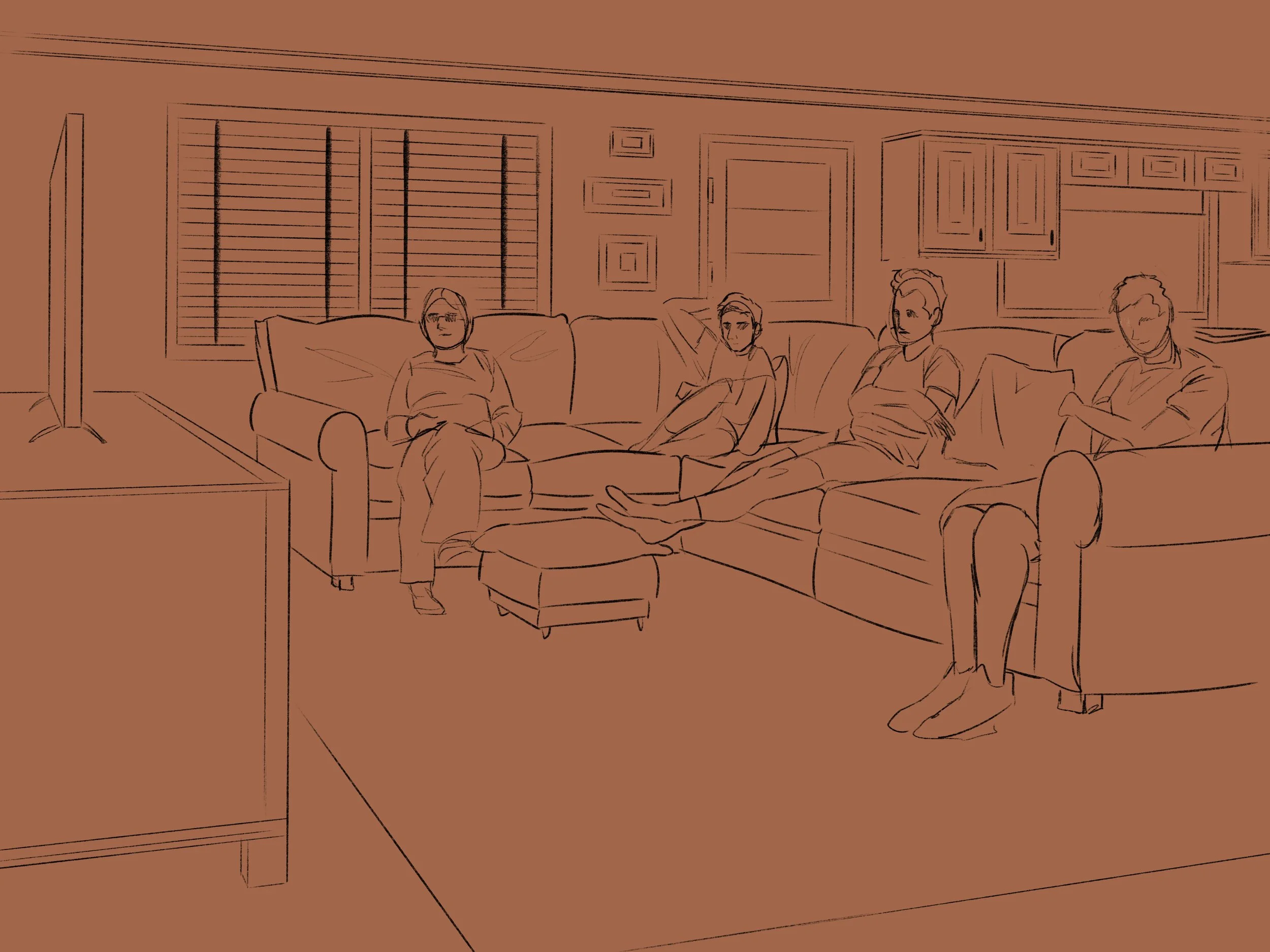
Well, I decided to study urban sketches by Yohji Kato and Maru Godas, and I wanted to apply similar techniques. I appreciate Kato’s spontaneous linework and Godas’ unique application of color. I wanted to try and apply both techniques to my work.
Thus, the product that I’ve illustrated is different from my usual style. I’ve decided to use my time this week towards attempting to expand my artistic style with urban sketching.